MCCQENephrology
Hyponatraemia: A Working Approach — MCCQE Notes
Volume status plus urine sodium and osmolality gets you to the cause, and the rate of correction is what keeps the patient safe.
6 min readTopic Note
53,417 questions · no account needed
53,417 questions for MCCQE and MRCP Part 2, with the reasoning written out in full. Sit them as timed papers or work through them one at a time. Nothing to sign up for.
Just added · September 2026
UWorld · March 2026
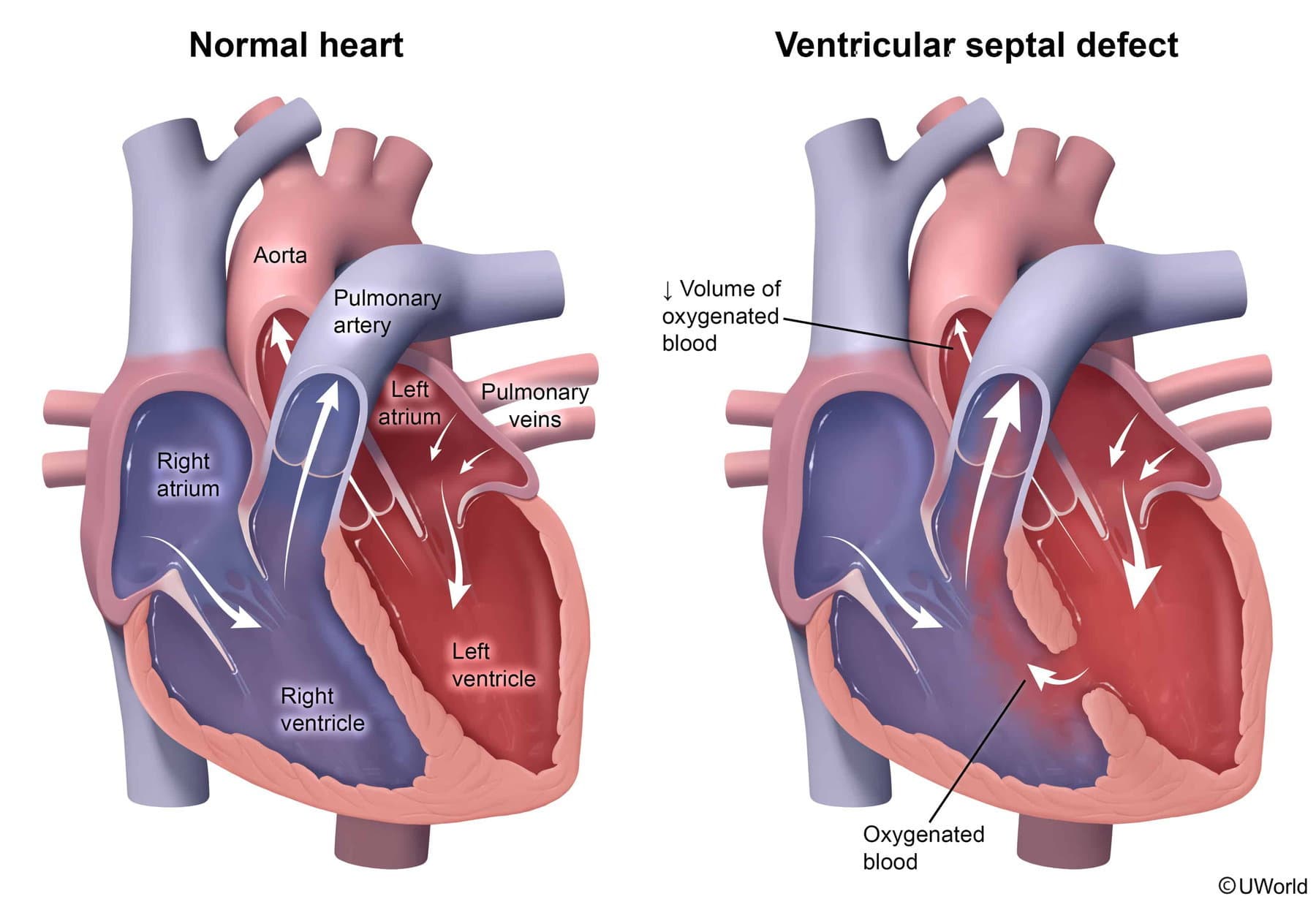
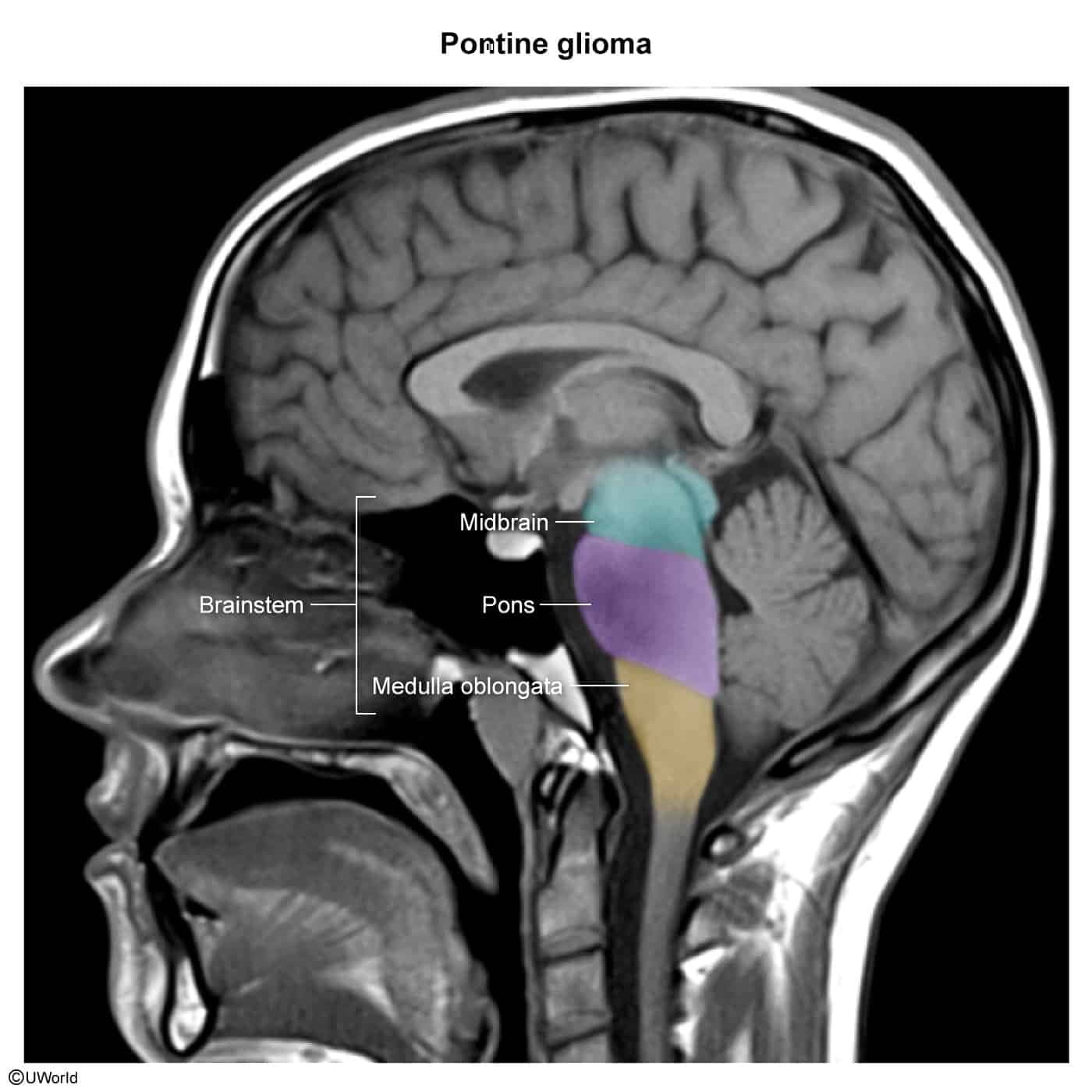
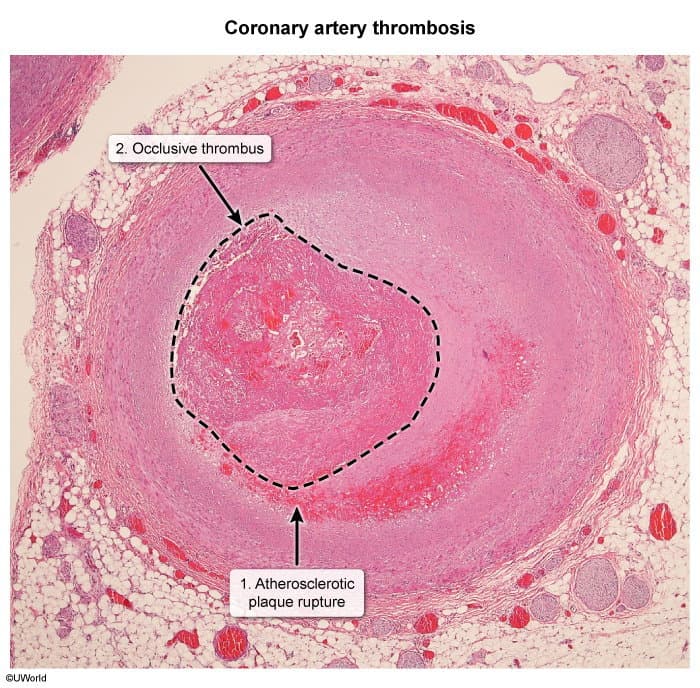
The full Step 1 bank, every question with its explanation and the figures that go with it — anatomy to pharmacology, by subject or by organ system.
53,417
Practice questions
495
Question banks
12
Exams covered
Free
Cost to use
All of them are open. Start anywhere, switch when you get bored, and your score is kept separately for each one.
MCCQE
575 questions across 4 sets
OpenMCCQE
2,748 questions across 23 sets
OpenMCCQE
3,327 questions across 6 sets
OpenMCCQE
4,073 questions across 22 sets
OpenMCCQE
720 questions across 6 sets
OpenMCCQE
5,168 questions across 16 sets
OpenMRCP Part 1
2,257 questions across 23 sets
OpenMRCP Part 1
3,825 questions across 16 sets
OpenMRCP Part 2
2,804 questions across 15 sets
OpenMRCP Part 2
1,499 questions across 22 sets
OpenMRCP Part 2
2,852 questions across 13 sets
OpenMRCP Part 2
1,347 questions across 9 sets
OpenUSMLE Step 2 CK
4,561 questions across 39 sets
OpenUSMLE Step 2 CK
4,073 questions across 22 sets
OpenNCLEX-RN
2,828 questions across 41 sets
OpenNCLEX-PN
1,451 questions across 40 sets
OpenUSMLE Step 1
4,034 questions across 51 sets
OpenUSMLE Step 3
2,456 questions across 35 sets
OpenUKMLA
2,241 questions across 21 sets
OpenABFM
1,153 questions across 27 sets
OpenABIM
1,249 questions across 23 sets
OpenUWorld Clinical
2,249 questions across 21 sets
OpenTutor mode shows the explanation the second you answer. Timed mode holds it back and puts 90 seconds a question on the clock, which is closer to the real thing.
Pick subjects from across any of the banks, choose a length, get a shuffled paper. There is also a one-click paper built only from questions you have already got wrong.
Broken down per bank and per subject. It is rarely where you would guess — most people are worse at statistics than they think.
Each question has the reasoning written out and the objective it is testing. Many carry the reference they came from as well.
Answers are saved in your browser as you go. Shut the laptop mid-paper and you will come back to the same question.
Mechanism, the discriminators that separate it from the obvious differential, then first-line management. Written to be readable at 11pm the night before.
Written for the exam, not for the textbook.
Volume status plus urine sodium and osmolality gets you to the cause, and the rate of correction is what keeps the patient safe.
Diagnostic thresholds depend on how the pressure was measured, and the treatment target depends on the patient. Both are commonly examined.
The first decision is STEMI or not, because it changes the clock. Everything else follows from that fork.
No sign-up needed to start. Make an account later if you want your progress on more than one device.
Choose a question bank